
Course Name: ET80564 Digital Communications
Course Information
- The course is given for the program: Undergraduate/Electronics and Telecommunication Engineering
- Credit units: 10
- Contact hours: 36
- Study term: Term 1
- Place: University of Rwanda, College of Science and Technology, Nyarugenge Campus
- Responsible lecturer: Charles Kabiri, PhD
- Syllabus: Available
Course objective:
In the last few decades, digital communication has drastically improved our quality of life. Amenities such as fax machines, pagers, cell phones, and internet, are now considered indispensable. None of them are possible without digital communication.
This course explores elements of the theory and practice of digital communications. The course will 1) model and study the effects of channel impairments such as noise and distortion, on the performance of communication systems; 2) introduce signal processing, modulation, and coding techniques that are used in digital communication systems.
Course Aim
Upon completion of this course, the student would able to understand and apply the fundamentals of Digital communications and technical concepts of mobile and wireless systems, including system design fundamentals, standards and trends in Digital Communications.
Learning Outcomes
By the end of the course the student will be able to:
- Analyze signals in both the time domain and frequency domain through a clear understanding of the relationship between the domains.
- Analyze random signals in terms of probability distributions, power spectral densities and correlation.
- Understand the need for modulation in communications.
- Determine power and bandwidth of analogue modulated signals.
- Understand methods for modulating and demodulating analogue signals.
- Understand pulse code modulation techniques for converting an analogue signal to a digital signal.
- Understand methods for modulating and demodulating analogue signals.
- Characterize the performance of digital sources using information theoretic concepts.
- Determine the information capacity of digital communication systems
- Calculate the noise budget of communication systems
- Analyze the effects of noise in digital modulation systems
- Analyze and characterize the performance of forward error correction systems used in digital communication systems.
- Understand optimum receiver theory and signal space concepts.
- Perform a system level design of digital communication systems.
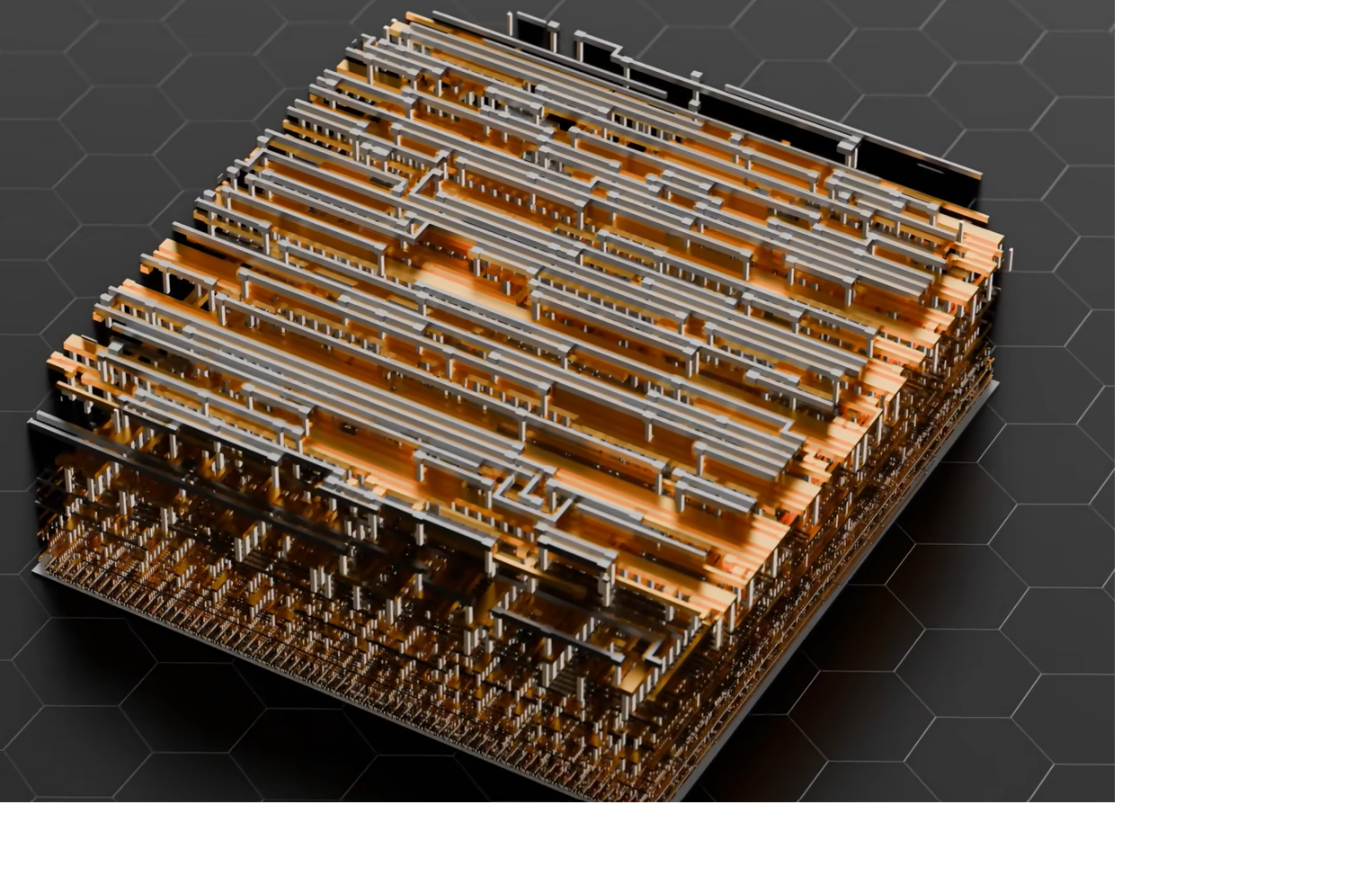
The aim of this course is to teach students about the power and efficiency of Microelectronics and how they are used in every days modern electronics applications whereby the integrated circuits are embedded and silently achieving tremendous amount of work inside systems in which they are hosted. In fact ,in early 1960s, a new field of microelectronics was born primarily to meet the requirements of the Military which wanted to reduce the size of its electronic equipment to approximately one-tenth of its then existing volume. This drive for extreme reduction in the size of electronic circuits has led to the development of microelectronic circuits called integrated circuits (ICs) which are so small that their actual construction is done by technicians using high powered microscopes.
ICs are produced by the same processes as are used for manufacturing individual transistors and diodes etc. In such circuits, different components are isolated from each other by isolation diffusion within the crystal chip and are interconnected by an aluminum layer that serves as wires.
A discrete circuit, on the other hand, is one that is built by connecting separate components. In this case, each component is produced separately and then all are assembled together to make the electronic circuit.
To put it very briefly, an integrated circuit (IC) is just a packaged electronic circuit.
An IC is a complete electronic circuit in which both the active and passive components are fabricated on a tiny single chip of silicon. Active components are those which have the ability to produce gain.