Unit 4 Gender responsive and inclusive pedagogy
5. Inclusive pedagogy
5.3. Inclusive education
Inclusive education is a broader educational policy and system approach that seeks to provide all students, regardless of their background, abilities, gender, or any other characteristic, with equal access to learning opportunities and resources. that seeks to provide all students, regardless of their background, abilities, gender, or any other characteristic, with equal access to learning opportunities and resources. It refers to the overall practice of ensuring that all learners, including those with different abilities, genders, languages, and backgrounds, are educated together in the same learning environment without discrimination. It focuses on access, participation, and removal of barriers within the entire education system, including school policies, infrastructure, curriculum, and support services.
Inclusive education aims to create an environment where all students, including those with disabilities, students from diverse cultural backgrounds, and students who face other barriers to learning, can fully participate in the academic, social, and extracurricular aspects of school life.
Inclusive education is about creating an educational system where every student has access to the same opportunities and can succeed according to their individual needs. It challenges traditional educational practices that often marginalize students who are different and instead focuses on creating a welcoming, supportive, and equitable environment for all learners. It benefits not just those who might traditionally be excluded from education but also enriches the educational experience for all students by promoting diversity, understanding, and mutual respect.
Inclusive education is the big picture (system and policy level), For example, a school that provides ramps, special needs support, and equal admission policies is practicing inclusive education.
Components of Inclusive Education
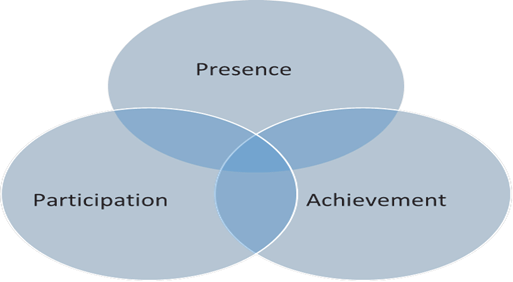
• Equal presence: making sure all learners are present in school. Teachers should be instructed to do daily attendance of the children disaggregated by sex. If there is an attendance issue specific to boys or girls, talk with individual parents or through SGA meetings
• Equal participation: Teachers should ensure that both girls and boys are participating actively and given chances to lead in classroom activities, classroom discussions, and different clubs.
• Equal achievement/ Performance: Parents, teachers and school leaders should ensure both boys and girls have equal opportunity to access learning materials and that there are not any achievement gaps. You may think it is too difficult to address the needs of a diverse range of children, as there are so many challenges.
Inclusive education is about treating all learners as individuals. It is about making sure that all learners can learn. When we think about inclusive education, often we just think about getting children into school, i.e. making sure they are present in school. However, we also need to ensure that children are participating in lessons and school life, and that they are achieving academically and socially because of coming to school.
Key differences between Inclusive Education and Inclusive Pedagogy
|
Criteria |
Inclusive education |
Inclusive pedagogy |
|
Scope |
Is the overarching system or framework that ensures all students have access to educational opportunities, support, and an inclusive environment.
Is the broad goal of making education accessible and equitable for all students, fostering an inclusive school culture.
|
refers specifically to the teaching practices and strategies used by teachers within that system to ensure that all students can learn effectively. Is the specific set of teaching strategies used to create inclusive learning experiences for all students within that system. |
|
Focus |
focuses on the policies, structures, and systems that create an inclusive learning environment. It includes physical access to the school, learning resources, support systems, and inclusive school culture.
|
is about the practical classroom teaching methods and strategies that teachers use to create inclusive, engaging, and supportive learning experiences for all students.
|
|
Implementation |
involves school-wide efforts to ensure all students, including those with disabilities, diverse backgrounds, and different needs, are included in the educational process.
|
is implemented by individual teachers who design and deliver lessons that meet the needs of a diverse group of learners within the classroom.
|