
Dear student,
Kindly engage with the learning materials of unit 5 and do all related activities.
5. Delivering a lesson
5.7. Meaning and classroom management strategies
Meaning of classroom management
Classroom management refers to the strategies, practices, and techniques that teachers use to maintain an organized, productive, and respectful learning environment. It encompasses everything from setting clear expectations and maintaining discipline or managing student behaviour, organizing classroom activities to fostering student engagement and managing classroom resources. The goal of classroom management is to minimize disruptions and maximize learning time, creating a space where all students feel safe, respected, and engaged.
a. Effective strategies for classroom management
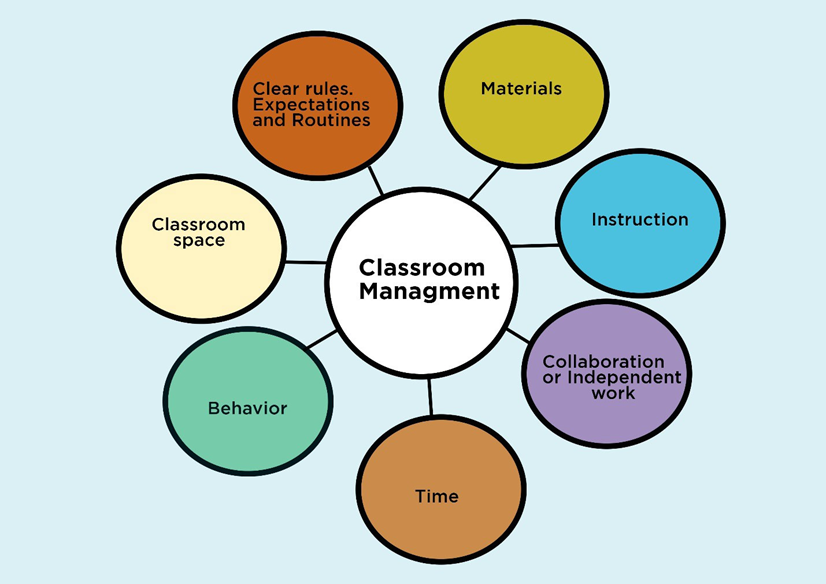
There are different classroom management strategies that a teacher can use:
i. Establishing clear rules, expectations and routines:
Clearly define and communicate rules at the beginning of school year, term or lesson. Involve students in developing classroom norms to foster ownership and responsibility. Clearly define what behaviors are acceptable and unacceptable during lessons, transitions, and free time and make sure students understand them. Apply the rules consistently to ensure fairness. If students know what to expect, they’ll be more likely to follow the rules. Create routines for common classroom activities (e.g., entering the classroom, handing in assignments, transitions between activities). When routines are established, students will know what to do without constant reminders. Set time limits for activities and use visual or auditory signals (e.g., bells, timers) to help students transition smoothly between tasks.
ii. Creating a positive learning environment:
Build respectful and supportive teacher-student relationships where students feel valued, respected, and part of a community. When students feel respected and valued, they’re more likely to engage and behave well. Promote a culture of inclusion, fairness, and encouragement. Encouraging positive behaviors through rewards, praise, and encouragement. Keep lessons engaging and interactive. When students are interested and actively involved, they’re less likely to misbehave.
iii. Creating an environment that encourages collaboration or independent work, depending on the lesson:
Designing lessons that are engaging, interactive, and appropriately challenging for students. Celebrate successes and provide constructive feedback. Using a variety of teaching strategies and tools (e.g., group work, hands-on activities, multimedia) to keep students engaged and focused. If a lesson isn’t going well or students are disengaging, be flexible and adjust your approach. Sometimes, shifting activities or teaching strategies can re- engage students.
iv. Organizing the physical space or classroom set up:
Arrange desks, chairs and materials in a way that supports interaction, accessibility, smooth transitions and minimizes distractions; and in a way that encourages cooperation and focus. Ensure the room is clean, well-lit, and free of unnecessary distractions. Avoid distractions by minimizing disorder and keeping learning materials within reach.
v. Time management:
Start and end lessons on time. Planning and managing the flow of the lesson to ensure that time is used effectively for instruction and student participation. Creating routines for transitions between activities to avoid wasted time. Use timers or visual schedules if needed to support pacing.
vi. Behavior management:
Address misbehavior or disruptions calmly and quickly (as soon as they occur) to prevent escalation. A quick and calm response helps maintain control without disrupting the class. Provide immediate, specific feedback to reinforce good behavior and correct issues. Using preventive strategies such as proximity control (simply moving closer to a student who is off task can help redirect their attention), non-verbal cues (eye contact, hand gestures, or other non-verbal cues to let students know you’re paying attention and want them to stay on track) or redirecting. Keep students engaged in the lesson to prevent behavioral issues. Use strategies like positive reinforcement, and consequences- that are transparent and age appropriate- to guide student behavior. For instance, when students break the rules, follow through with the consequences you’ve established. Be consistent with how you apply consequences to prevent confusion. Use restorative approaches (e.g., conflict resolution or mediation) when appropriate. Involve parents, school leaders if behavior challenges persist.
vii. Engaging students in learning:
Use varied teaching methods and strategies (e.g., discussions, demonstrations, group work, discussions, hands-on activities) to maintain interest. Differentiate instruction to meet diverse learning needs and abilities. Give learners opportunities to take responsibility (e.g., classroom roles, peer mentoring).
viii. Maintain professionalism and take care of yourself:
Stay calm, even in challenging situations. Keeping your emotions in check, models emotional regulation for students. How to do it?
- Manage stress: Classroom management can be challenging, and stress can impact your effectiveness. Take breaks when you need to and ensure you’re maintaining your own well-being.
- Reflect and improve: After each lesson, reflect on what went well and what could be improved. This will help you continue to grow as a teacher and develop better management strategies over time.